
Transitioning to a flexi-vegan lifestyle doesn’t mean you have to obsess over every gram of nutrition, but knowing how to build high protein plant-based meals is a total game changer. Packed with simple twists that fit into a busy routine, these ideas boost protein without making dinner feel like a science project. Let’s keep it tasty, quick, and totally doable—your future self (and your energy levels) will thank you.
Table of Contents
1. Chickpeas: Salads Upgrade, Anytime
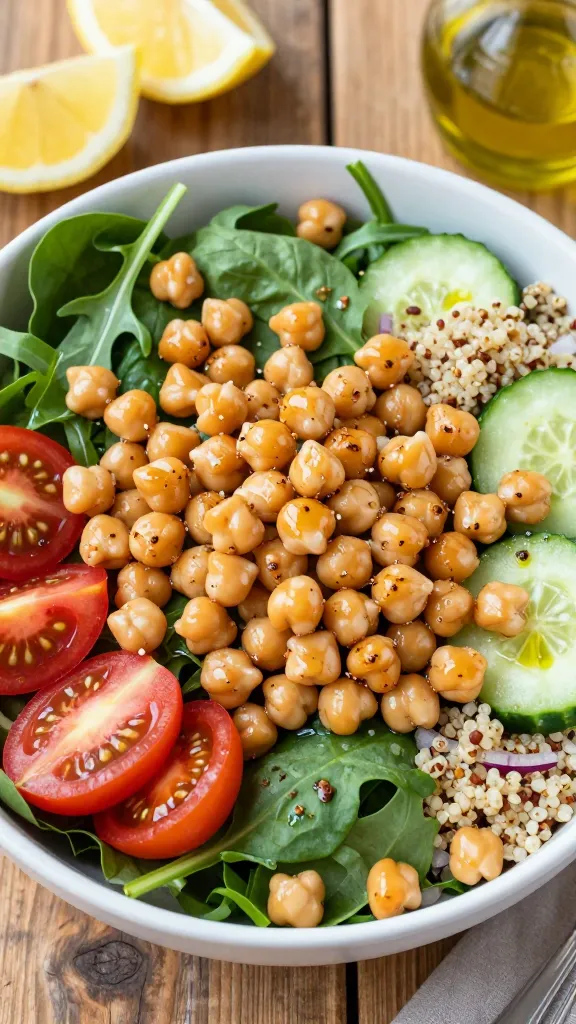
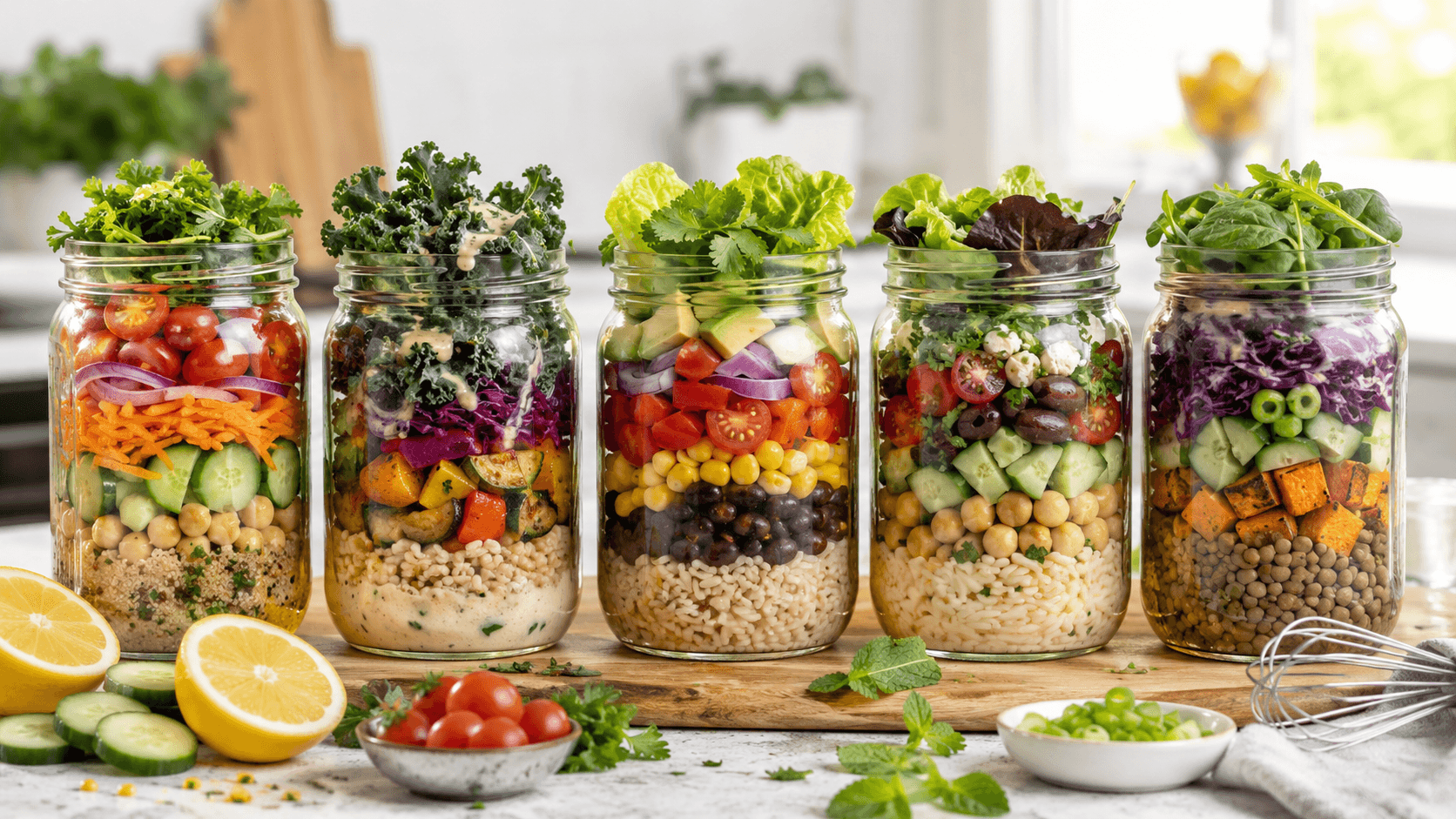
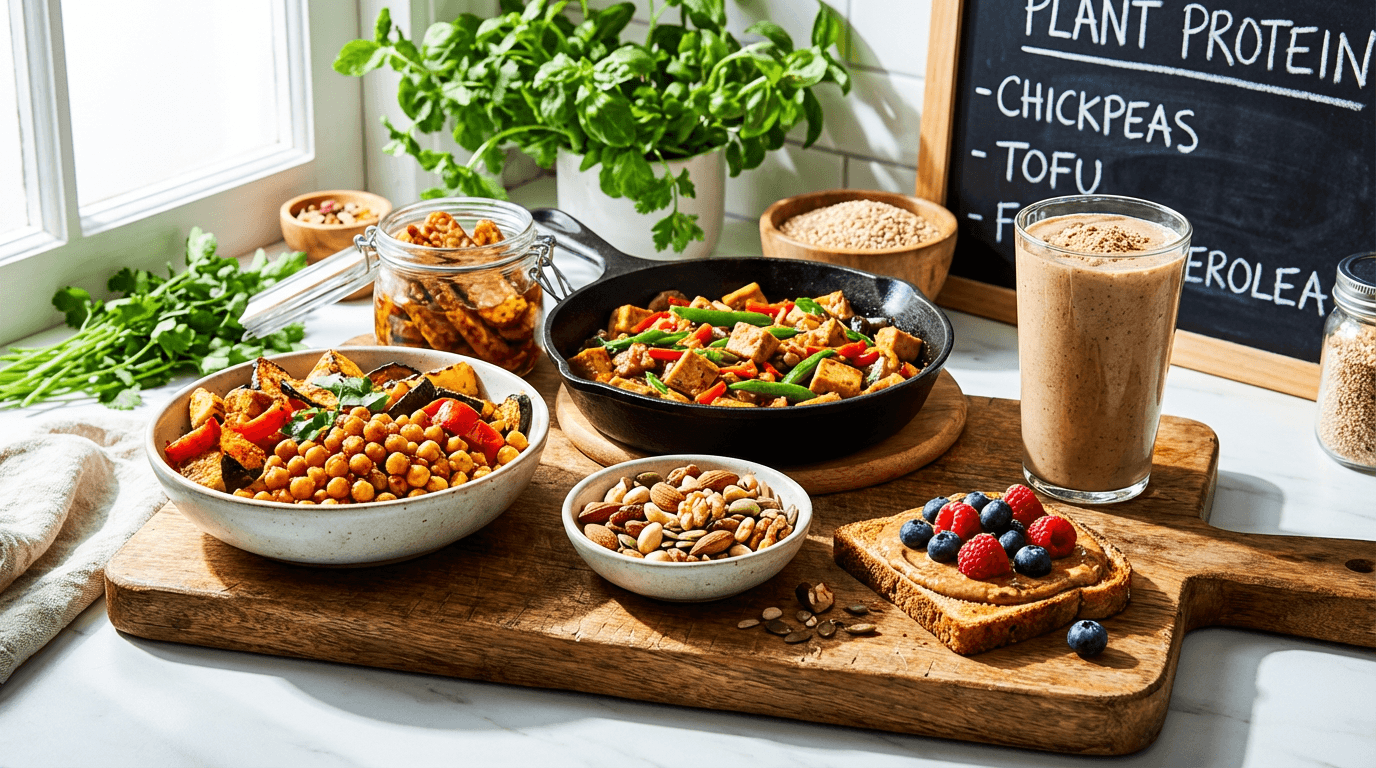
Chickpeas are the secret weapon for quick protein Boosts in salads. You can crack open a can or roast dry chickpeas for extra crunch.
Key Points:
- Protein: 7–8g per 1/2 cup
- Best uses: toss into leafy greens, grain bowls, or grain-free slaws
- Flavor boosters: lemon, cumin, garlic, olive oil
Roasted chickpeas bring texture, while canned ones save time. Seriously, a salad with chickpeas feels like a full meal rather than a side dish.
2. Smoothie Power: Blend Plant-Based Protein
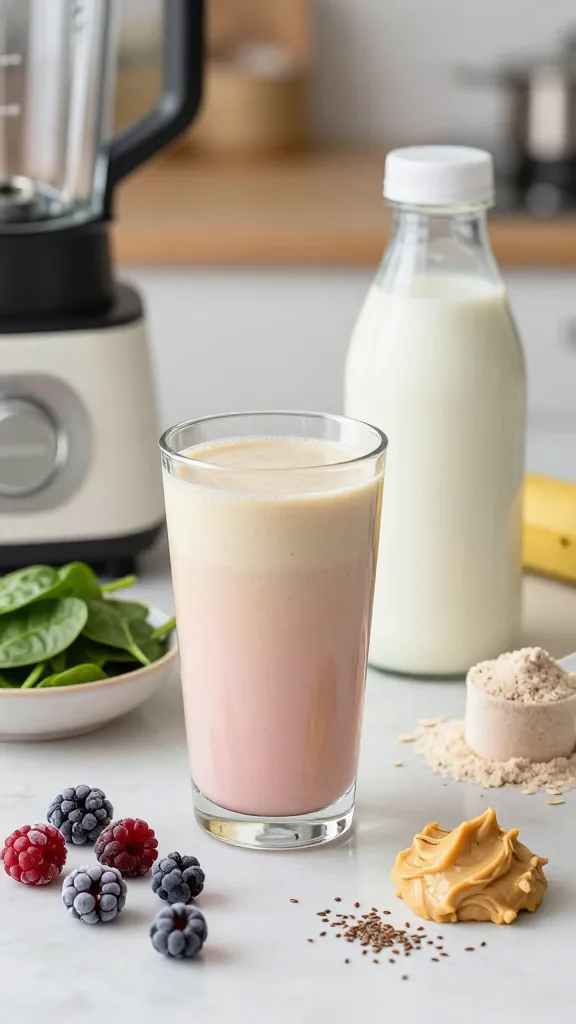
Blending protein into smoothies is a game changer for busy mornings or post-workout refeeds. You’ll barely notice it’s in there.
What to Include:
- Protein base: pea, soy, or rice protein (about 15–25 grams per scoop)
- Liquid: fortified plant milk or water
- Extras: spinach, frozen berries, flax, nut butter
Tip: blend first, then add greens to avoid gritty texture. Trust me, you’ll crave this smoothie routine.
3. Tofu Takes the Lead in Stir-Fries
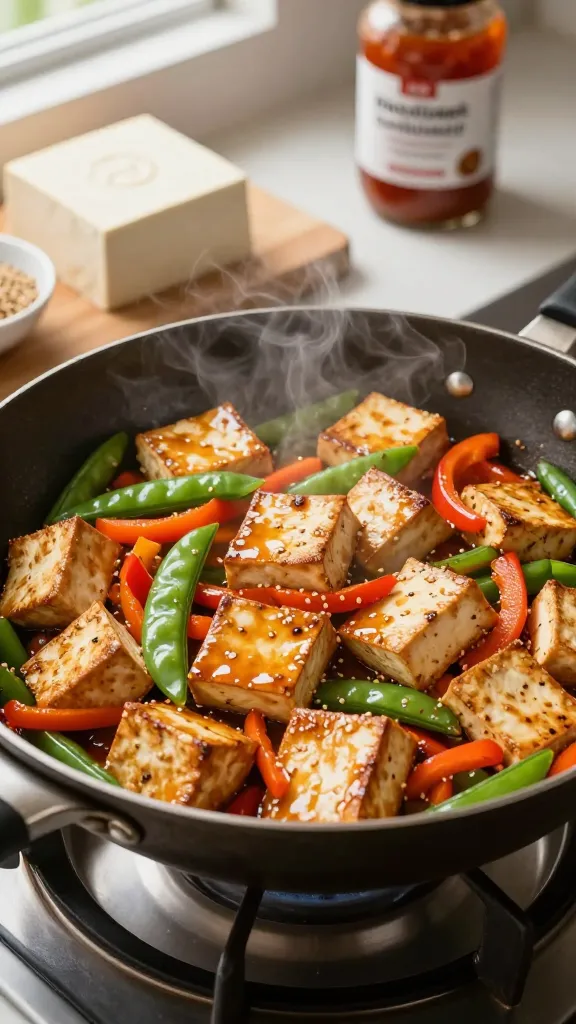
Tofu soaks up flavors beautifully and cooks in minutes, making weeknight stir-fries a protein-rich staple.
Why It Works:
- Protein: 10–12g per 1/2 cup
- Texture options: soft tofu for soups, extra-firm tofu for pan-frying.
- Flavor tricks: marinate in soy-ginger, sear hot, finish with sesame
For firmer tofu, press out excess moisture before cutting it into cubes and pan-frying.
4. Tempeh BLT: A Plant-Packed Classic
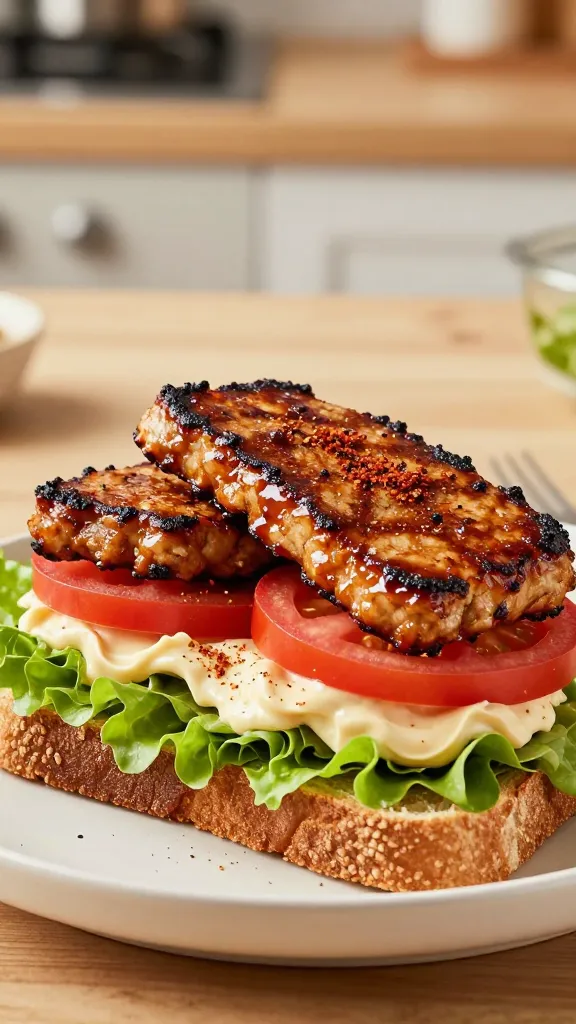
Tempeh in a BLT riffs on a classic while delivering a solid protein punch. It’s smoky, satisfying, and surprisingly crave-worthy.
How to Build It:
- Protein 15–17g per 1/2 cup
- Toast bases: whole grain or sourdough
- Flavor layer: tomato, lettuce, vegan mayo, smoked paprika
End note: tempeh absorbs marinades like a champ, so don’t be shy with the seasoning. Yum and filling, no guilt required.
5. Greek Yogurt or Dairy-Free Yogurt: A Creamy Protein Kick
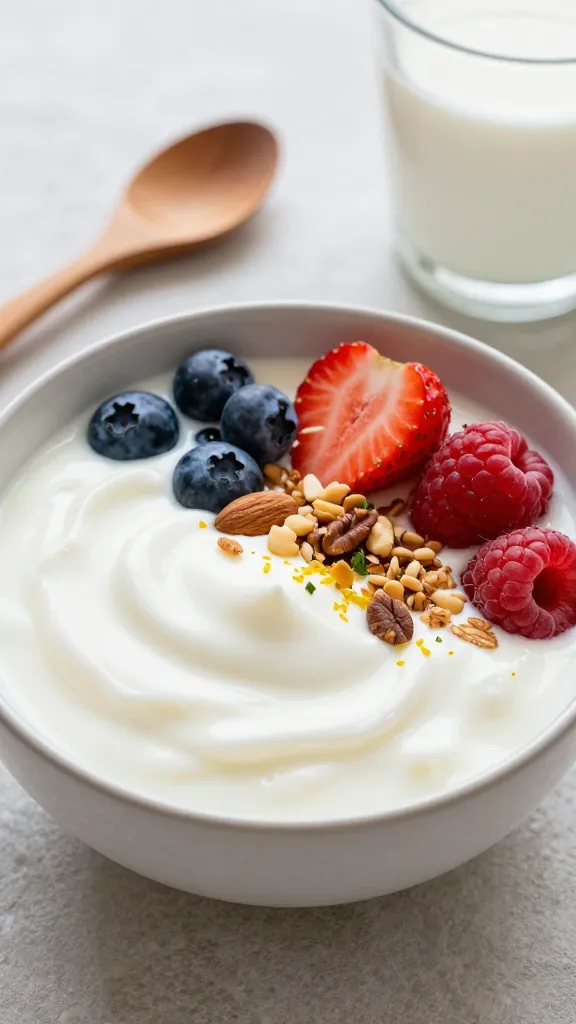
Yogurt is a versatile protein booster that fits into breakfasts, dips, and dressings. Pick dairy or dairy-free, either works wonders.
Quick Tips:
- Compare the protein per serving on the label, using the same serving size for each yogurt. Protein content varies by product.
- Pair with: berries, nuts, granola, or veggie-based sauces
- Flavor helps: a pinch of vanilla, cinnamon, or lemon zest
Yogurt also adds creaminess without heaviness—great for quick snacks or a smoothie base.
6. Nuts and Seeds: Simple Protein Toppings
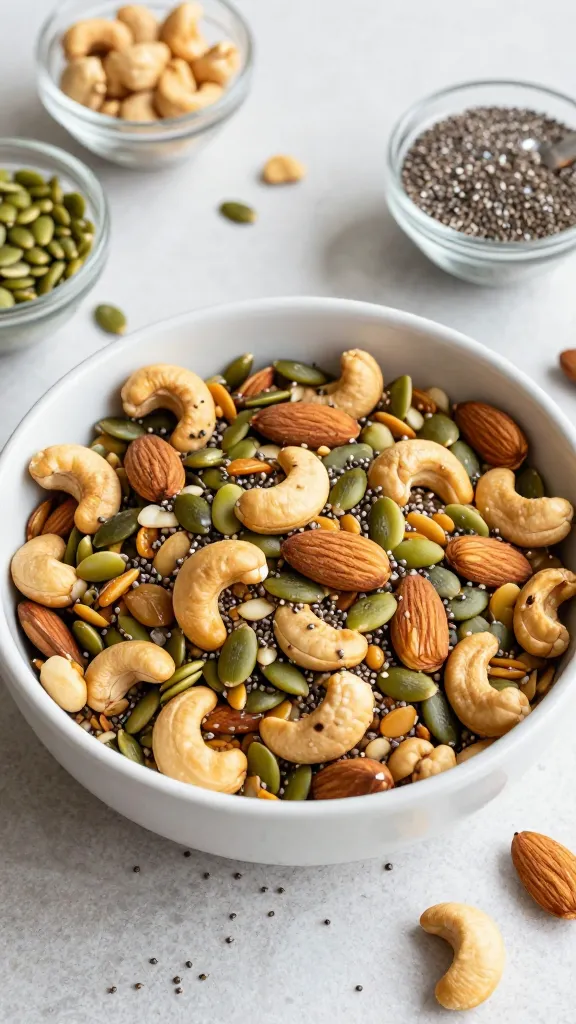
Cashews, almonds, pumpkin seeds, chia—these little powerhouses instantly bump protein and add crunch.
What to Add:
- Protein per 1/2 cup: varies by nut/seed (roughly 5–12 grams)
- Uses: sprinkle on bowls, salads, or yogurt; blend into sauces
- Storage: keep in a cool, dry place to maintain crunch
Benefits show up fast: you’ll eat more plant-powered fuel without thinking about it. Seriously clutch for meal finishers.
7. Lentils: Hearty Add-Ons for Soups and Bolognese
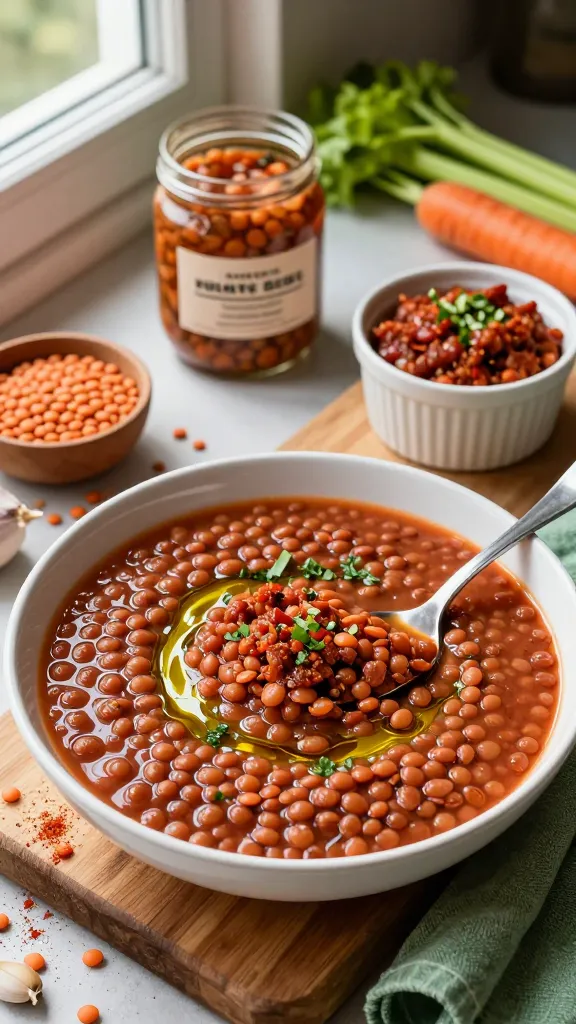
Lentils are a protein-rich workhorse that bulk up soups and hearty sauces like Bolognese without needing meat.
Practical Points:
- Protein per 1/2 cup (cooked): 9–12g
- Best uses: churn into soups, simmer into pasta sauces, or fold into veggie ragu
- Texture notes: red lentils soften quickly; green/brown hold shape
Tip: pre-cook a batch and store in the fridge for quick additions through the week. Your future self will thank you.
8. Nut Butter on Toast or Fruit: Simple, Satisfying Fiber-Boost
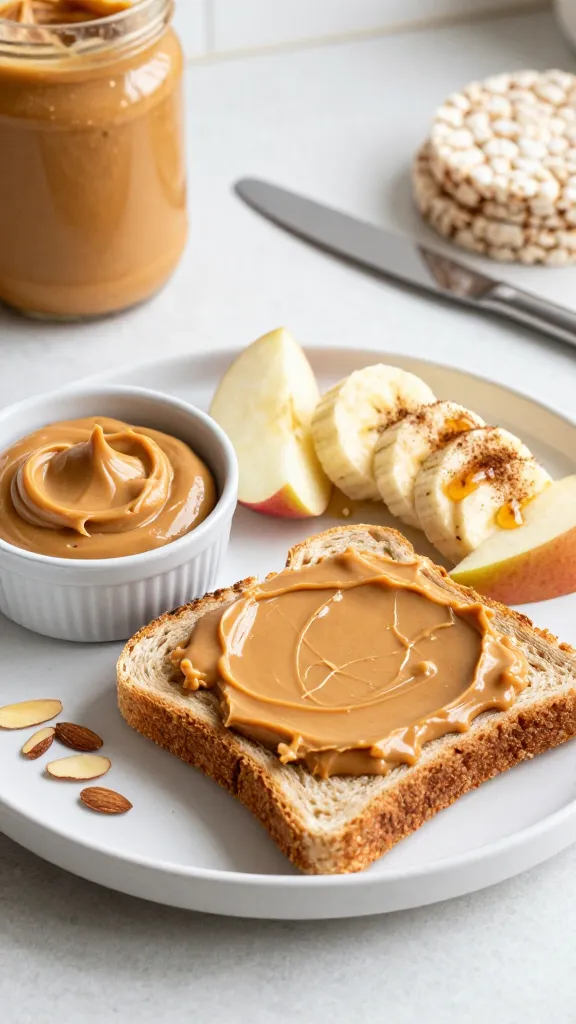
Slathering nut butter on toast or fruit is a fast way to add protein and healthy fats. It feels indulgent but stays healthy.
Per-Serving Snapshot:
- Protein per 2 tablespoons: about 7–8 grams (peanut, almond) depending on brand
- Smart pairings: banana, apple slices, whole-grain bread, or rice cakes
- Flavor boosters: cinnamon, a drizzle of honey or maple, a pinch of sea salt
FYI: keep portions in check to avoid excess sugar or calories, but don’t skip the protein punch either.
9. Quinoa: Protein-Rich Base for Bowls
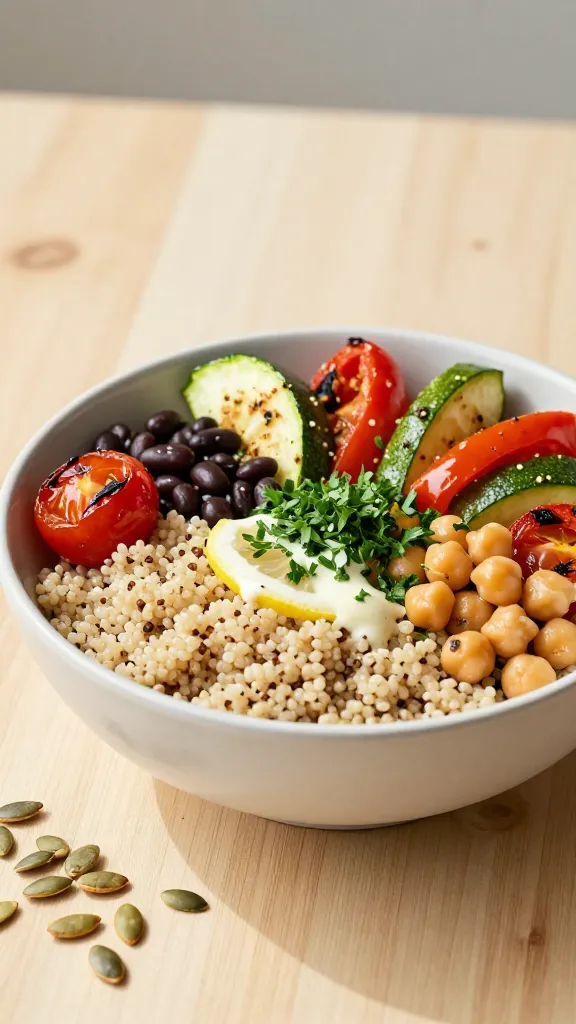
Quinoa isn’t just a fancy side—it’s a protein powerhouse that makes bowls more filling and balanced.
Why It Shines:
- Protein per 1/2 cup (cooked): about 4 grams
- Versatile uses: base for bowls, salads, or a pilaf with veggies
- Texture: light, fluffy, nutty flavor that pairs with almost anything
Mix quinoa with beans, roasted veggies, and a tangy dressing for a complete protein-packed meal. Easy, right?
10. Roasted Edamame or Soybeans: Snackable Protein Power
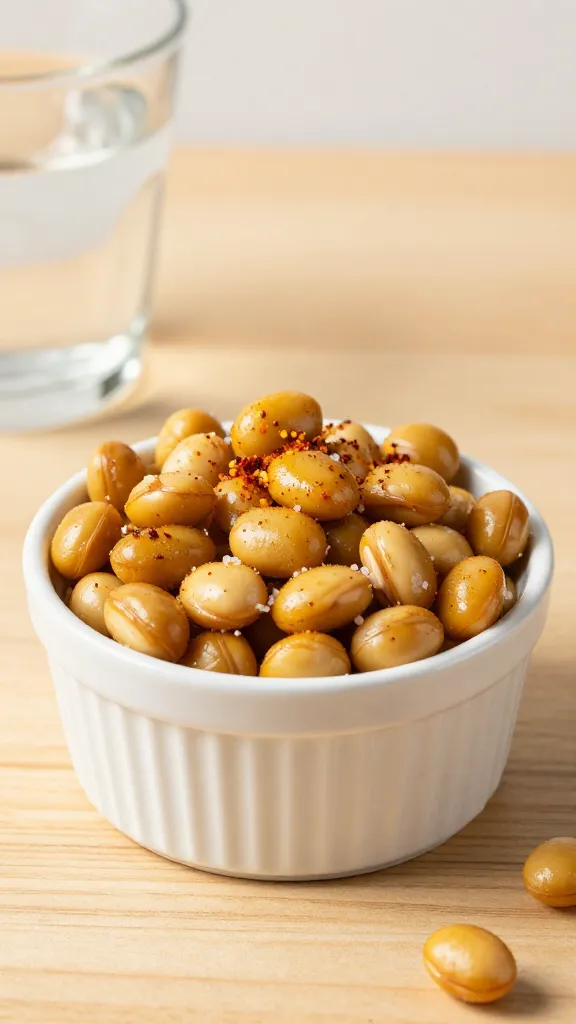
Roasted edamame or soybeans turn snack time into a protein fiesta. They’re crunchy, satisfying, and snackable.
Key Points:
- Protein per 1/2 cup: about 9–11 grams (varies by brand)
- Snack ideas: a sprinkle of sea salt, chili powder, or nutritional yeast
- Portion note: handy for road trips or pre-workout fuel
These make great work-from-home snacks that actually keep you from raiding the cookie jar mid-afternoon.
Pro Tip: Mix and match these ideas to cover meals, snacks, and tiny boosts throughout the day. IMO, the best plan is to pre-cook a few staples (lentils, quinoa, chickpeas, tofu) and keep a stocked pantry so meals come together in minutes.
📊 Track Your Vegan Macros
Planning your day? Use our free calculator to find your perfect daily calorie and macro targets.
FAQs
Can you actually get enough protein from plant-based meals?
Absolutely! By focusing on high protein plant-based meals that include staples like lentils, tofu, and quinoa, you can easily meet your daily requirements. The key is variety; combining different plant sources ensures you get a full profile of essential amino acids.
What is the best plant-based protein for meal prepping?
Lentils and chickpeas are the MVPs of meal prep. They stay firm in the fridge for 4–5 days and can be tossed into salads, stews, or grain bowls. Tofu is also great if pressed and baked, as it maintains its texture better than when it’s stir-fried.
Do I need protein powder to eat a high protein plant-based diet?
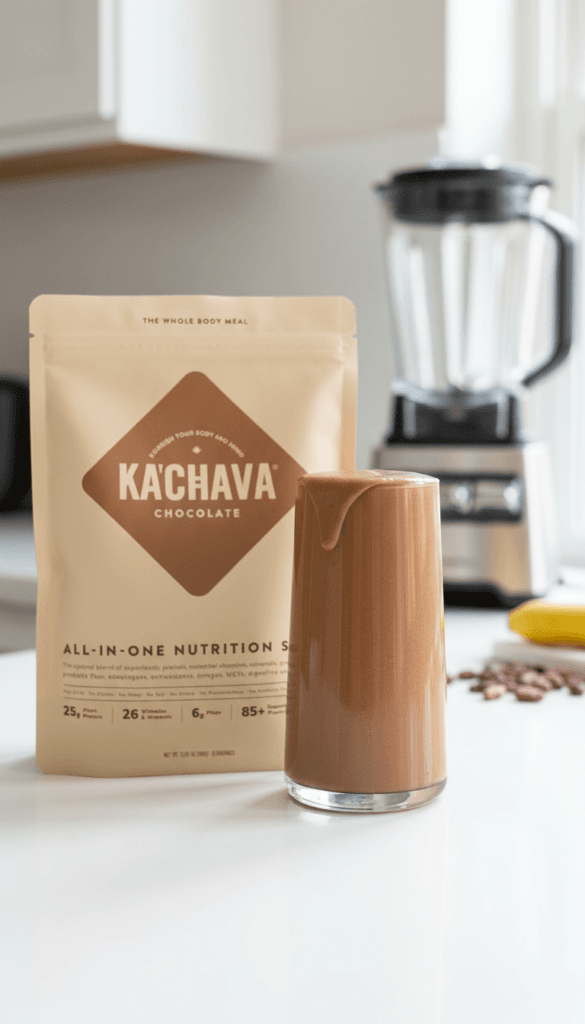
Not necessarily. While protein powder is a convenient “hack” for smoothies, you can build perfectly balanced high protein plant-based meals using whole foods like edamame, tempeh, and hemp seeds. However, if you are looking for a quick and genuinely tasty option, I highly recommend the Ka’Chava All-In-One Nutrition Shake. It’s seriously delicious, rich and creamy (not gritty!), and packs 25g of plant-based protein along with superfoods and probiotics to keep you fueled on busy days.
Final Thoughts
You’ve got this! Remember, adding more protein to your life doesn’t have to be an “all or nothing” mission. It’s all about these small, manageable swaps that eventually become second nature.
Whether you’re tossing a handful of chickpeas into your lunch or keeping a bag of edamame in the freezer for snack emergencies, each choice fuels your body and keeps your energy steady. Start with just one or two of these tips this week and see how much better you feel. I’m rooting for you!
Ready to Put These Tips Into Action? 🥗
Now that you know how to boost your protein, let’s get cooking! Browse my collection of simple, delicious, and protein-packed recipes designed for your busy lifestyle.
Explore My Protein-Rich Recipes →