
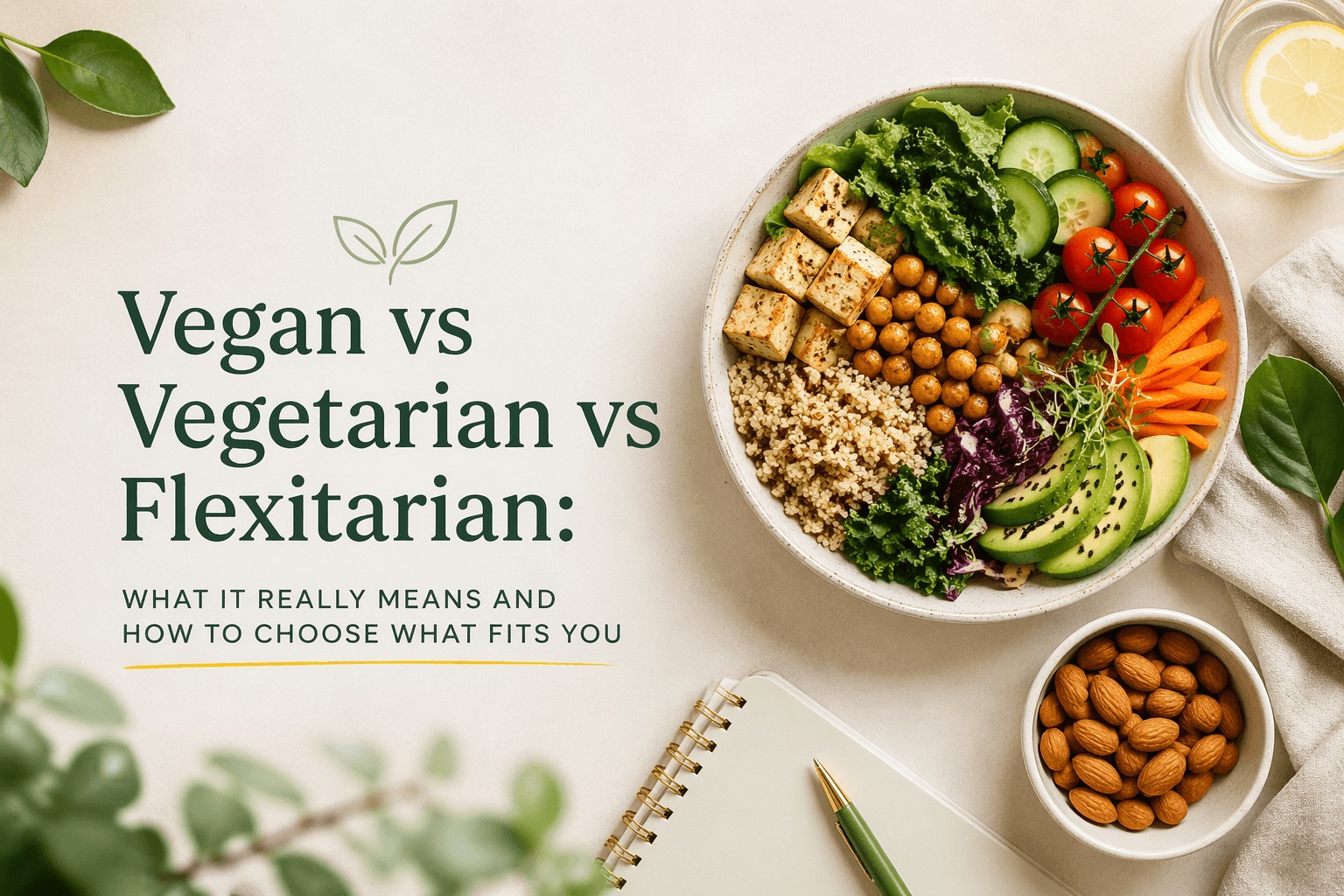
Choosing between vegan vs vegetarian vs flexitarian is less about a label, and more about what feels doable for your real life. If you’re curious about eating more plants but not sure where you fit, you’re in the right place. I’m going to break down what each one means, what the day-to-day can look like, and how to choose a style that actually feels good to stick with.
What’s Inside
The Main Differences: Vegan vs Vegetarian vs Flexitarian
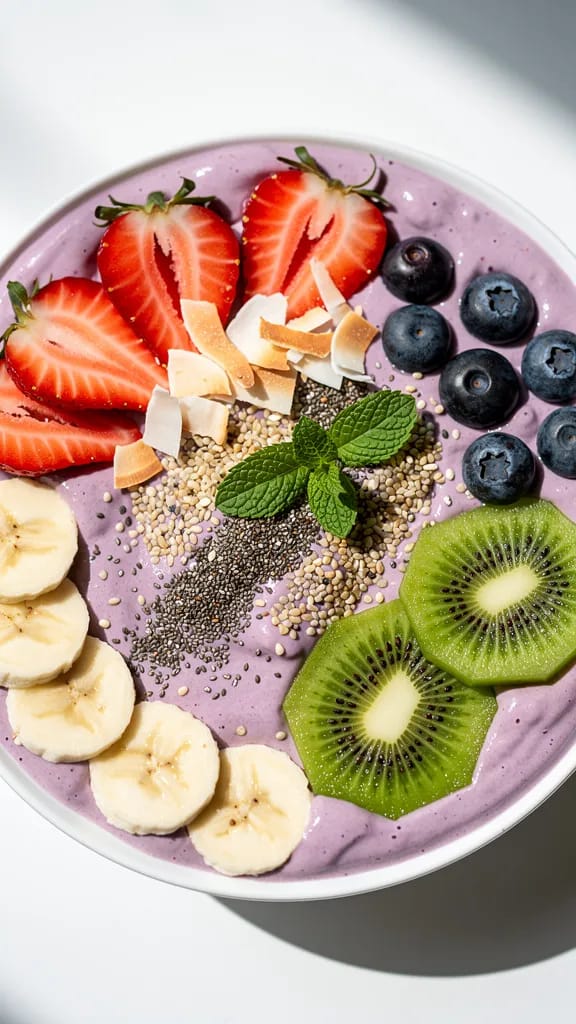
- Vegan: No animal products (so no meat, fish, dairy, eggs, or honey). Meals are built around plants like beans, lentils, grains, fruit, veggies, nuts, seeds, and fortified foods.
- Vegetarian: No meat or fish, but dairy and or eggs may still be included depending on the type (lacto, ovo, or lacto-ovo).
- Flexitarian: Mostly plant-based, with occasional meat or fish if you want it. It’s a flexible approach that lets you eat more plants without feeling like you have to be perfect.
People choose these paths for different reasons, like health, ethics, the environment, or just wanting something that feels easier to maintain.
Key differences at a glance
- How strict it is: Vegan is the most structured, vegetarian is in the middle, and flexitarian is the most flexible.
- What gets removed: Vegan removes all animal products, vegetarian removes meat and fish, flexitarian keeps plants as the foundation but allows some animal foods when it makes sense for you.
- Nutrition considerations: Vegans need attention to B12, (and sometimes iron, iodine, calcium, and omega-3s). Vegetarians often have more built-in options depending on eggs and dairy. Flexitarians usually have the easiest time covering their bases, because nothing is fully off-limits.
- Real-life ease: Vegan can take the most label-reading and planning. Vegetarian is often easier when eating out. Flexitarian tends to be the most social-friendly.
Benefits: what you stand to gain
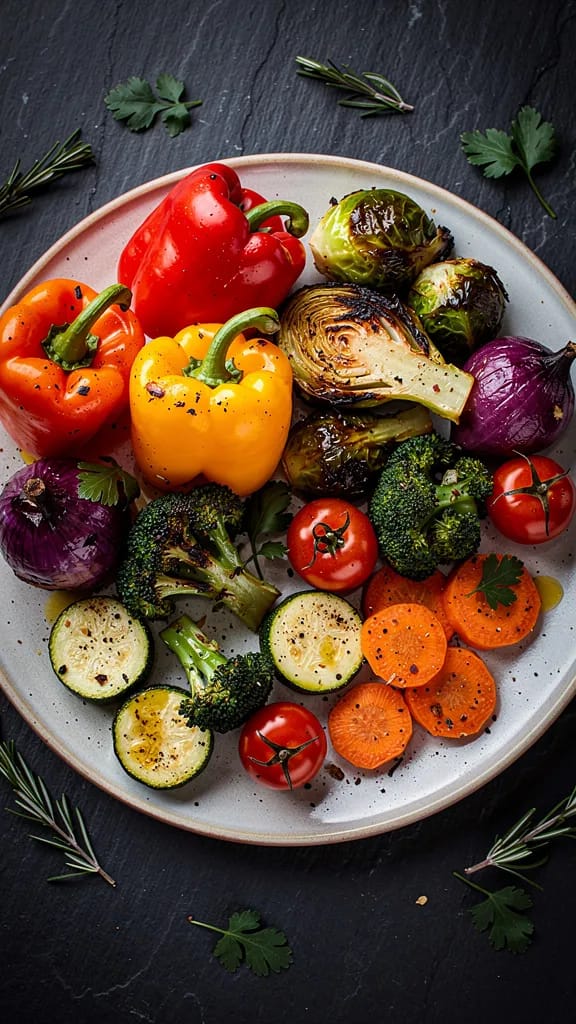
- Feel-good nutrition: Eating more plants usually means more fiber, more variety, and meals that feel lighter but still satisfying.
- Health support: Many people notice steadier energy, better digestion, and easier weight balance when plants become the main event.
- Environmental impact: A more plant-forward plate often uses fewer resources than a meat-heavy one, even small swaps can add up over time.
- Budget-friendly basics: Beans, lentils, oats, rice, potatoes, and seasonal produce can stretch your grocery budget in the best way.
Pros and cons: a quick reality check
Vegan
- Pros: Clear guidelines, very plant-focused, can be amazing for variety once you find your staples.
- Cons: Takes a bit more planning, especially for B12 and a few key nutrients, and eating out sometimes requires a little extra checking.
Vegetarian
- Pros: Often easier socially, more options at restaurants, and it can feel balanced without being complicated.
- Cons: Depending on your choices, dairy and eggs can add more saturated fat or extra calories, so it helps to stay mindful.
Flexitarian
- Pros: Easiest to maintain long-term, great for beginners, and it’s a gentle way to eat more plants without pressure.
- Cons: Without a simple plan, it’s easy to fall back into old habits, so a few “go-to” plant meals really help.
How to choose the right lifestyle for you
- Start with your why: Health, ethics, budget, energy, digestion, simplicity, all valid. Your “why” makes the choice easier.
- Look at your current week: Do you cook at home most nights, eat out often, or need quick grab-and-go meals? Choose what fits your rhythm.
- Pick your starting point: You don’t have to jump to the most strict version to make progress.
- Make nutrition easy: If you go vegan, plan for B12 (and lean on fortified foods). If you’re vegetarian or flexitarian, you’ve got more built-in flexibility.
- Try a short experiment: A 4–6 week “plant-forward” trial is a great way to see what feels best, then adjust.
What a flexitarian diet looks like in action
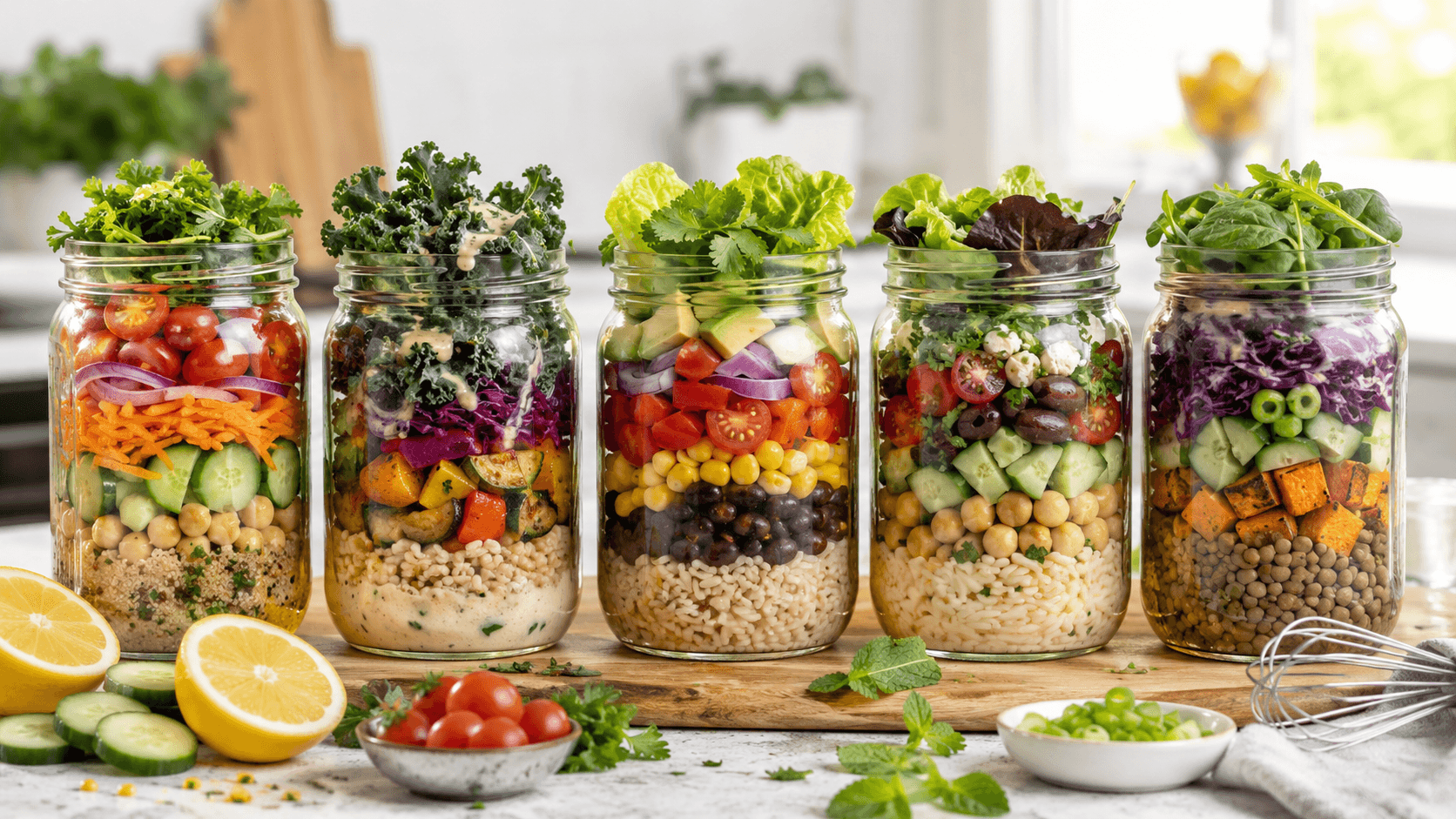
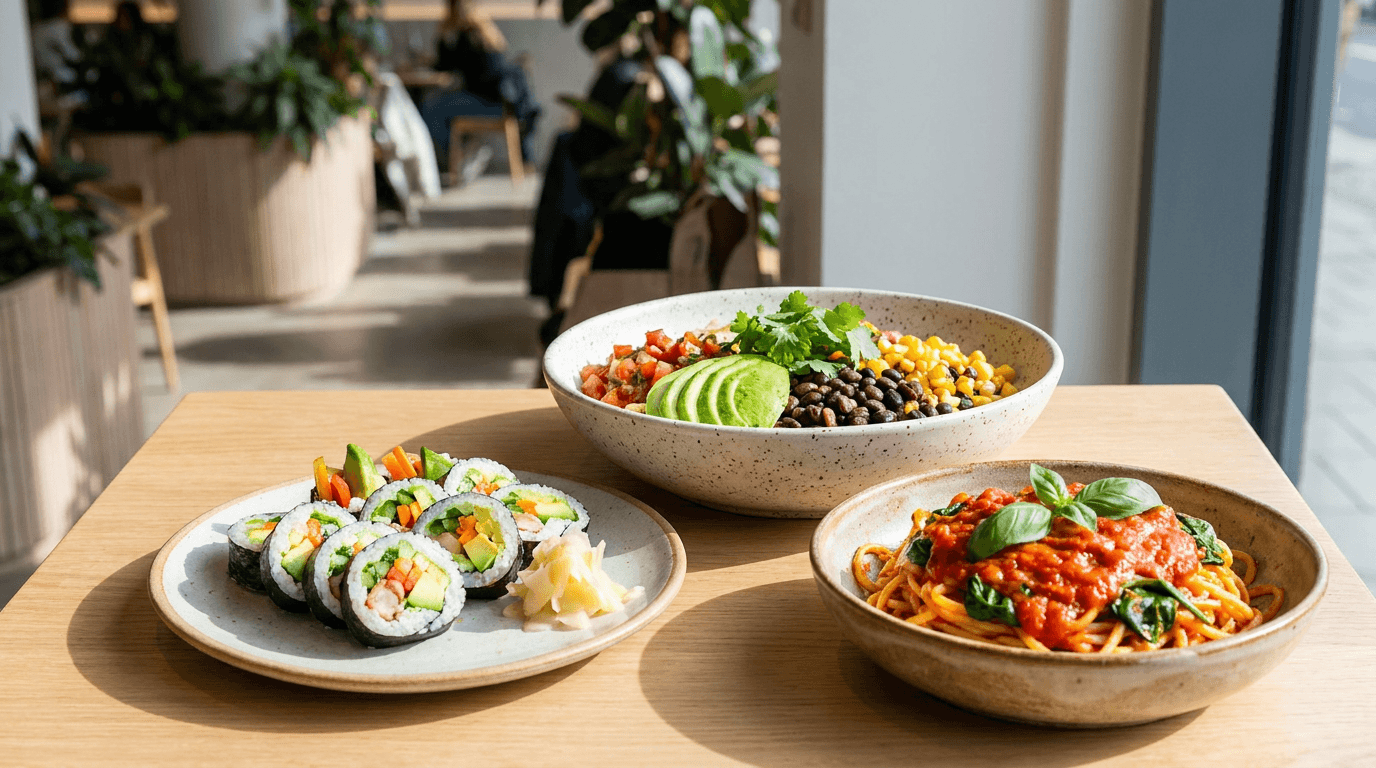
- Plants are the base of most meals (veggies, beans, lentils, whole grains, fruit, nuts, seeds).
- Meat or fish is optional, and usually occasional (think weekends, travel days, or special meals).
- You build meals around protein + fiber + color, so you stay full and satisfied.
- You keep a few easy staples on repeat, then rotate flavors so it never feels boring.
A simple flexitarian plate formula:
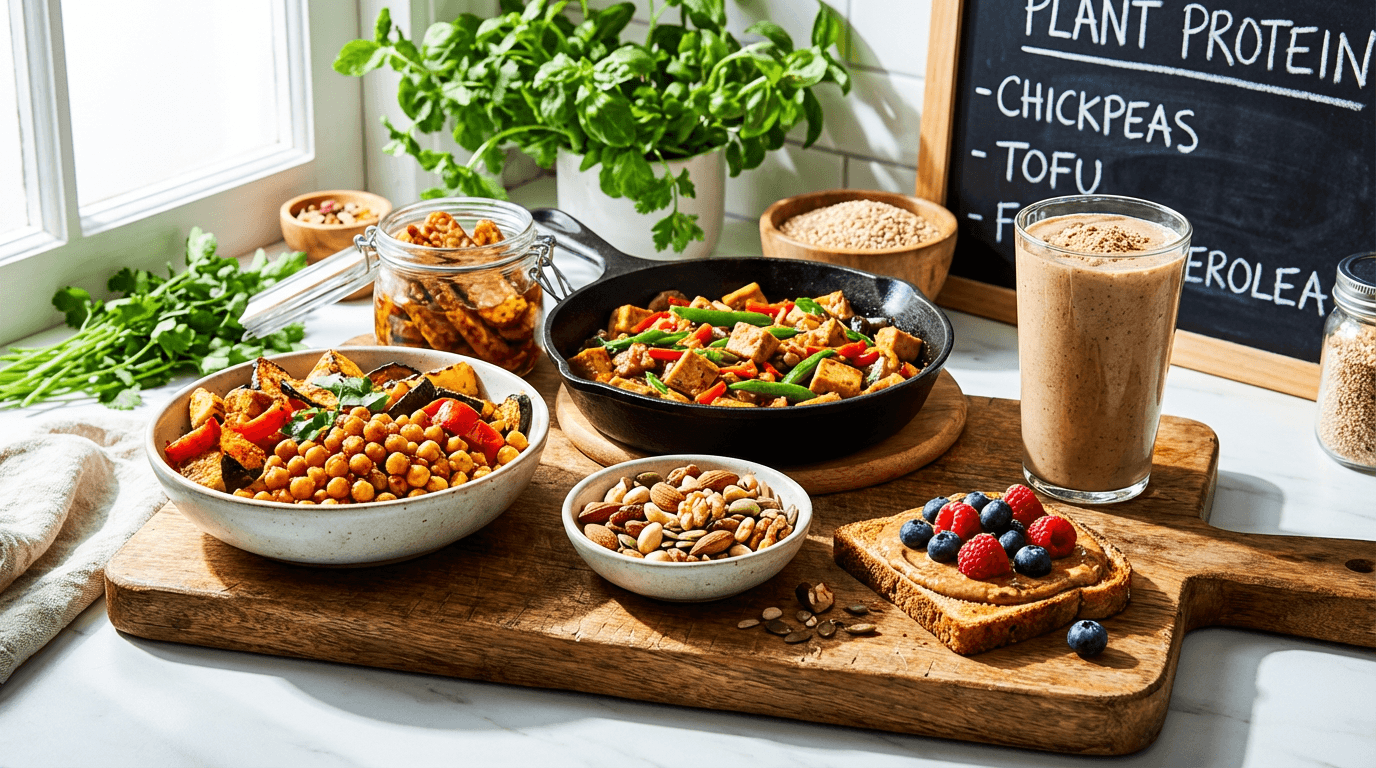
- Protein: beans, lentils, tofu, tempeh, edamame, eggs (if you eat them)
- Fiber + carbs: quinoa, brown rice, potatoes, oats, whole-grain wraps
- Color: roasted veggies, salads, fruit, sautéed greens
- Flavor: sauces, herbs, spice blends, citrus, crunchy toppings
Why “mostly plant-based” works
- It feels more relaxed, which makes it easier to stick with.
- It fits real life (social plans, travel, family meals) without the all-or-nothing pressure.
- You still get the big benefits of plant-based eating, simply by making plants your default most days.
📊 Track Your Vegan Macros
Planning your day? Use our free calculator to find your perfect daily calorie and macro targets.
Real-life examples of a flexible plant-based approach
- The busy workweek approach: Plant-based breakfasts and lunches, then flexible dinners depending on time and plans.
- The family approach: A couple vegetarian dinners, a fish night, and mostly plant-forward meals the rest of the week.
- The travel approach: Plant-forward most days, then enjoying local favorites without stress.
- The active lifestyle approach: More intentional protein (tofu, lentils, quinoa, smoothies), plus B12 support if fully plant-based.
Quick tips that make it easier:
- Rotate your proteins so meals stay interesting (lentils one day, tofu the next, chickpeas after).
- Keep pantry basics stocked (beans, lentils, rice, pasta, canned tomatoes, oats, frozen veggies).
- Pick 3 easy sauces or seasonings you love (tahini lemon, salsa verde, curry paste).
FAQs
Can I be vegan and still eat out easily?
Yes, it’s easier than ever. I look for places with bowls, curries, salads, tacos, or Mediterranean plates, because they’re usually simple to customize. If you’re unsure, a quick question like “Can this be made without dairy or egg?” goes a long way.
Do I need supplements if I go vegan?
Most people do best with B12, and depending on your lifestyle and labs, you might also consider vitamin D, iodine, iron, or omega-3s. If you can, it’s always smart to check in with a healthcare pro so your plan feels supportive and easy.
Is a flexitarian diet actually healthier than a standard diet?
It can be, especially if you’re eating more whole plant foods most days. The biggest win tends to be more fiber, more variety, and less reliance on heavy, processed meals.
How do I avoid feeling deprived on a plant-forward plan?
Keep a few meals you genuinely love, and make sure your plant-based meals are filling (protein + fiber is the magic combo). Flavor helps too, a great sauce makes everything feel satisfying.
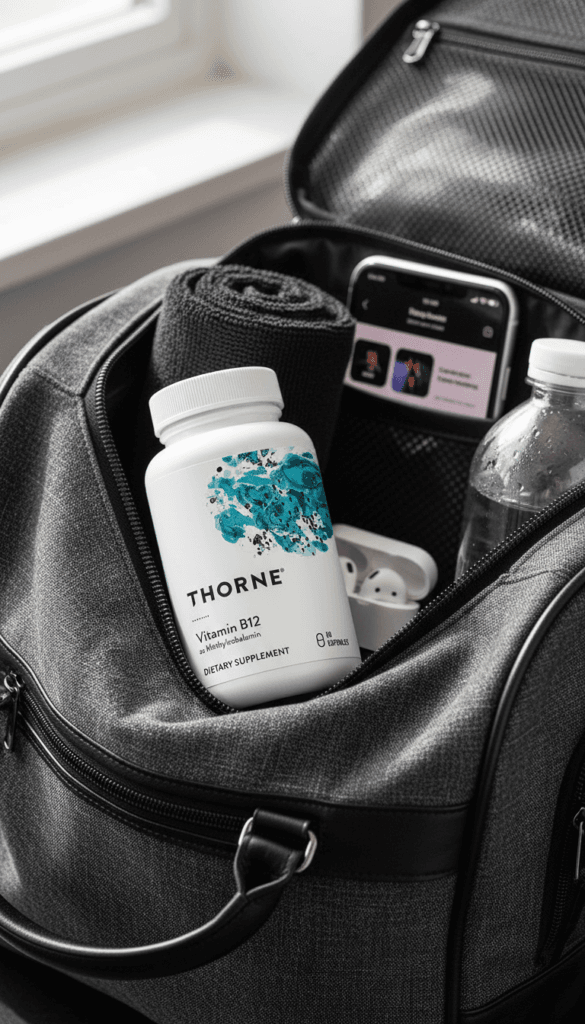
My go-to B12 pick
Thorne Vitamin B12 (Methylcobalamin)
If you are eating fully plant-based (or mostly plant-based), B12 is the one I always keep on my radar. This is a simple, reliable option I like to link when friends ask what to start with.
- Methylcobalamin form
- Easy, no-fuss capsules
- Great “set it and forget it” staple
As an Amazon Associate, I may earn from qualifying purchases (at no extra cost to you).
Conclusion
Vegan, vegetarian, and flexitarian all have the same heart, eating more plants in a way that feels good. If you’re choosing between vegan vs vegetarian vs flexitarian, the best choice is the one that fits your real life, your goals, and your personality. If you love structure, vegan might feel clear and motivating. If you want balance with fewer limits, vegetarian can be a comfortable middle ground. If you want flexibility and long-term ease, flexitarian is a really sweet spot.
Wherever you land, consistency matters more than perfection. Start simple, find a few meals you love, and build from there.
Save this for later if you’re still deciding, and when you’re ready, tap into my recipes to make your first week feel easy and delicious.
Ready to put these plants to work?
Whether you’re leaning into a strict vegan lifestyle or just keeping it flexible, the best way to start is with a delicious meal. ✨
Explore Plant-Based Recipes →